The scenario is a familiar one: a family, navigating the emotional waters of an inheritance, discovers a collection of antique coins among their loved one’s possessions. Initial excitement quickly turns to confusion as online searches yield conflicting values, ranging from a few dollars to thousands. Without a clear, defensible valuation, disputes can arise, equitable distribution becomes impossible, and the true legacy of these items remains obscured. This isn't just about money; it's about trust, fairness, and respecting the stories objects carry. The difference between a misguided guess and an accurate assessment often hinges entirely on the appraiser's qualifications and their commitment to ongoing professional growth.
For those of us in the personal property appraisal field, our credibility is our currency. It's not enough to simply have a good eye or a passion for antiques, jewelry, or collectibles. The landscape of values, markets, and materials is constantly shifting, demanding a rigorous commitment to continuous professional development. One vital strategy is consistent engagement with industry-specific education and certifications. This means more than just initial training; it involves regularly attending specialized workshops on emerging markets, new manufacturing techniques, or even changes in legal requirements impacting appraisals. For instance, even with my decade of experience in appraising jewelry, I continually monitor trends in gemstone treatments or evolving diamond grading standards. While I've completed basic gemstone and diamond courses, I know precisely when a situation demands the precise expertise of a GIA-certified gemologist for complex stone identifications, and I’m always ready to collaborate or refer.
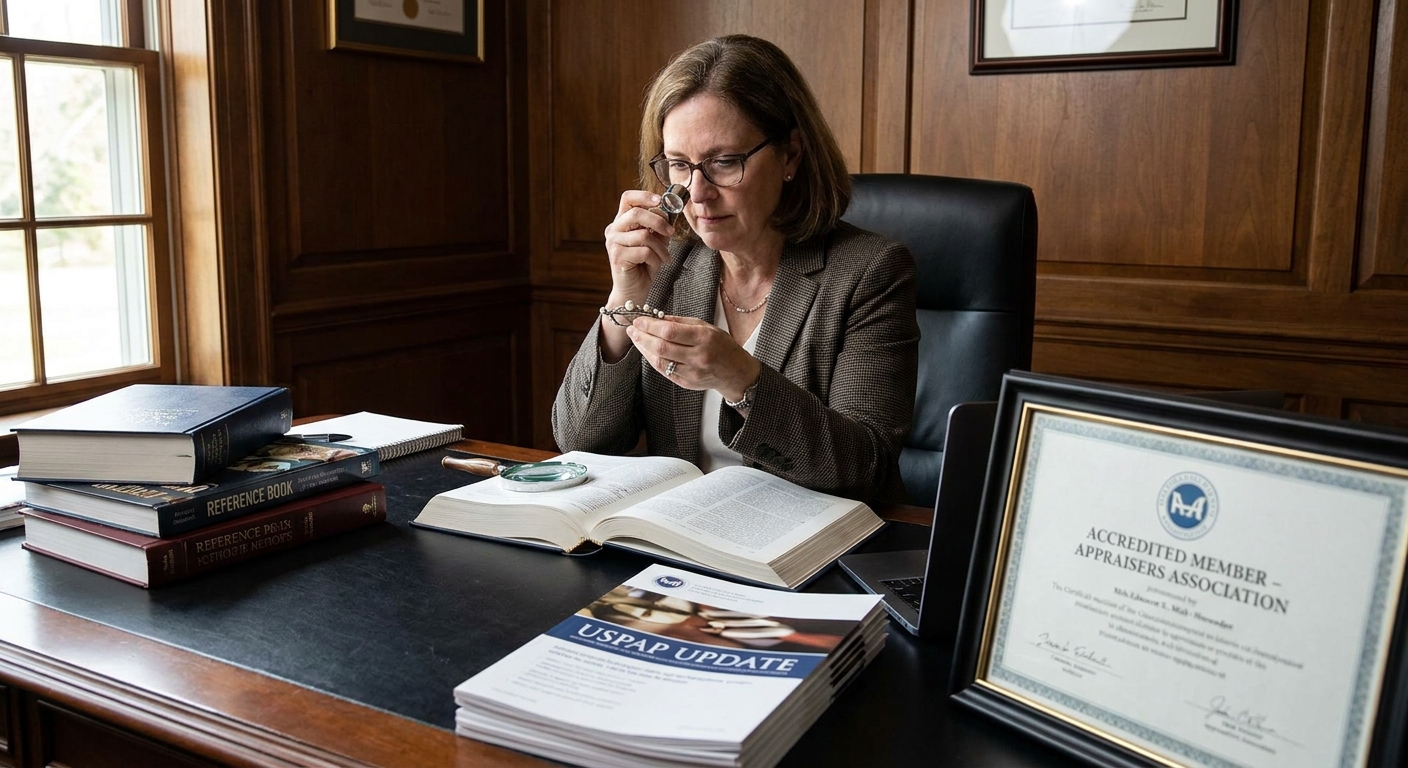
Another cornerstone of credibility is unwavering adherence to the Uniform Standards of Professional Appraisal Practice (USPAP). This isn't just a set of guidelines; it's the ethical and methodological framework that ensures our work is objective, unbiased, and defensible. Regular USPAP updates are non-negotiable. It forces us to systematically approach every assignment, from defining the scope of work to reporting our findings, which in turn helps to mitigate cognitive biases. We all, appraisers included, are susceptible to anchoring or confirmation bias, but a structured framework helps us recognize and actively counter these tendencies, ensuring our valuations are evidence-based, not influenced by pre-conceived notions.
Furthermore, strategic specialization and a robust professional network are indispensable. No single appraiser can be an expert in every category of personal property. My strength lies in jewelry, antiques, and general collectibles, but I wouldn't claim to be a numismatist or a fine art conservator. A truly credible appraiser understands their limitations and cultivates relationships with other specialists – be it a rare book expert, a vintage timepiece authority, or an industrial design historian. This collaborative approach ensures that even the most eclectic collections receive the highest level of scrutiny and accurate valuation.
Just last month, I was appraising a varied collection for a client’s insurance policy. Among the items was a small, rather unassuming porcelain figurine. The client had casually mentioned it was “just something from grandma’s shelf.” My training in ceramic marks and factory histories immediately prompted a closer look. A faint, almost imperceptible mark on the base, combined with its unique glaze and modeling, led me to identify it as an early Meissen piece from a less common period. This quick identification, rooted in specialized knowledge and experience, significantly elevated its appraised value beyond what the client or an untrained eye would have ever estimated, ensuring it was properly insured.
For anyone seeking an appraisal, the takeaway is clear and actionable: vet your appraiser thoroughly. Don't simply choose the first name you find or the lowest fee. Ask about their credentials – what certifications do they hold? How often do they update their USPAP knowledge? What continuing education courses have they recently completed? Inquire about their areas of specialization and whether they have a network of experts they consult. Your investment in a qualified, continually educated appraiser is your best assurance of a reliable, defensible, and ultimately valuable assessment of your cherished possessions.