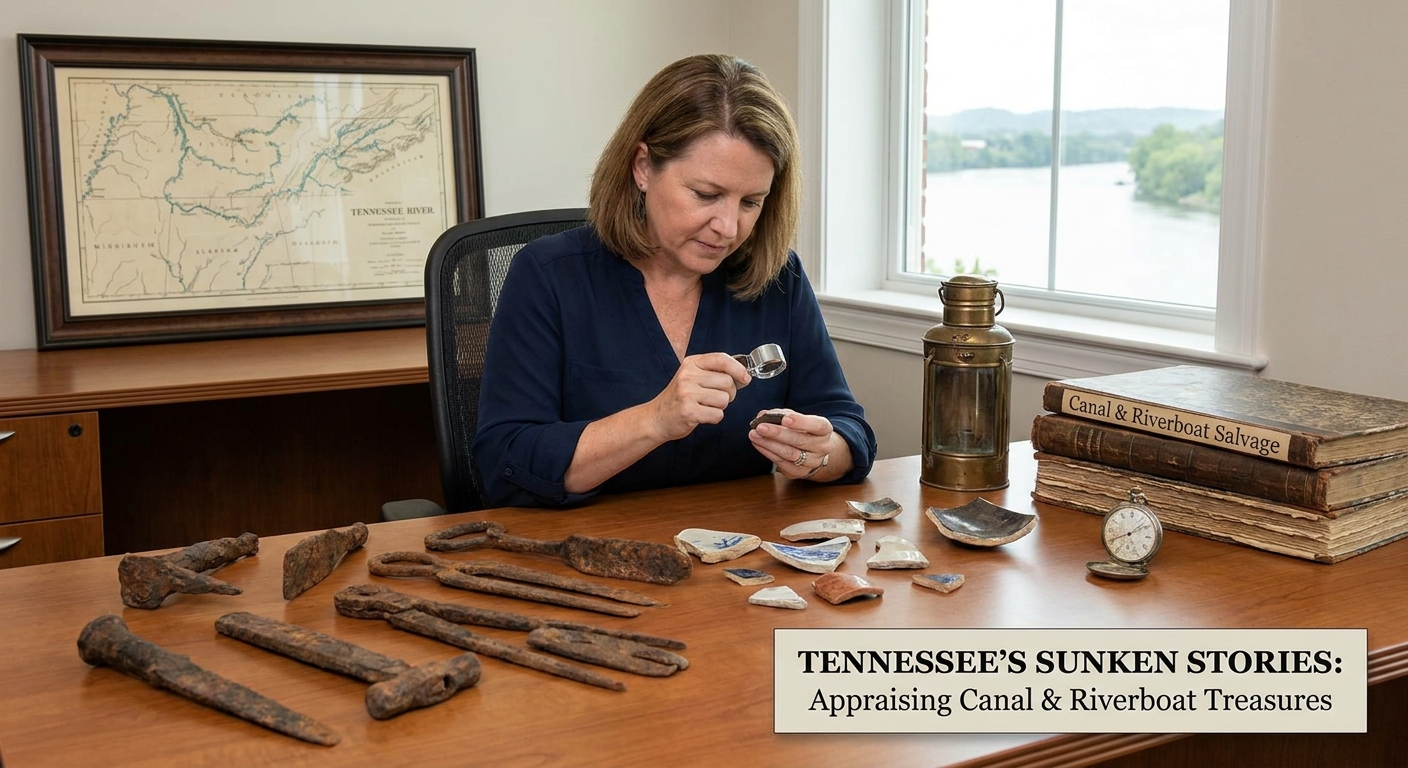
Appraising items recovered from Tennessee's waterways presents a unique set of challenges and rewards, far beyond what you might expect from a typical antique. Imagine a small, intricately carved button, perhaps made of bone or pewter, found nestled in the mud along the old Cumberland & Tennessee Rivers Canal. For many, it's just an old button. But for an appraiser, especially one with a love for history, it's a whisper from a bygone era, potentially holding a story of a passenger, a crew member, or even a piece of cargo from a long-lost flatboat or steamboat. These humble finds, often brought to light by low river levels or diligent metal detector enthusiasts, can be true historical treasures.
One of the most critical aspects when valuing these "sunken stories" is their provenance and historical context. Knowing whether an item came from a specific known wreck, like the St. Cloud steamboat or a lesser-known barge, can make a world of difference. Researching the vessel, its passenger lists, or its cargo manifests can transform a simple piece of pottery into a tangible link to a specific moment in Tennessee's commercial or social history. A brass bell from a documented steamboat, for example, will command a far higher value than a similar bell without that verifiable connection. It’s about putting that piece of the puzzle back into its rightful place in history, y'all.
The condition of items recovered from water is another vital consideration. Unlike items stored in an attic, underwater artifacts have been subjected to unique environmental stresses. Metals might be corroded, wood waterlogged, and textiles fragile. The key here is proper conservation. An item might appear stable when first recovered, but without the right treatment, it can rapidly deteriorate. I’ve seen beautiful pieces lose significant value because they weren’t conserved correctly, or worse, were "cleaned" by someone without the necessary expertise. We need to assess not just its current state, but also the stability of its materials and whether it’s been appropriately preserved for long-term survival.
Finally, we look at authenticity and the current market for such specialized artifacts. Is the item truly from the period claimed? Are there maker's marks, design elements, or construction techniques that confirm its age and origin? For instance, a beautifully engraved pocket watch, even if water-damaged, can tell us a lot about its era and potential owner. The market for riverboat and canal artifacts is driven by both historical collectors and those with a strong connection to Tennessee's past. Rarity, aesthetic appeal, and the story it tells all play a significant role in determining its fair market value.
If you happen upon a piece of Tennessee’s sunken history, remember this: resist the urge to clean, polish, or "restore" it yourself. Your first step should always be to consult with an experienced appraiser who understands both the historical significance and the specific conservation needs of such unique artifacts. We can help you uncover its true story and its value.