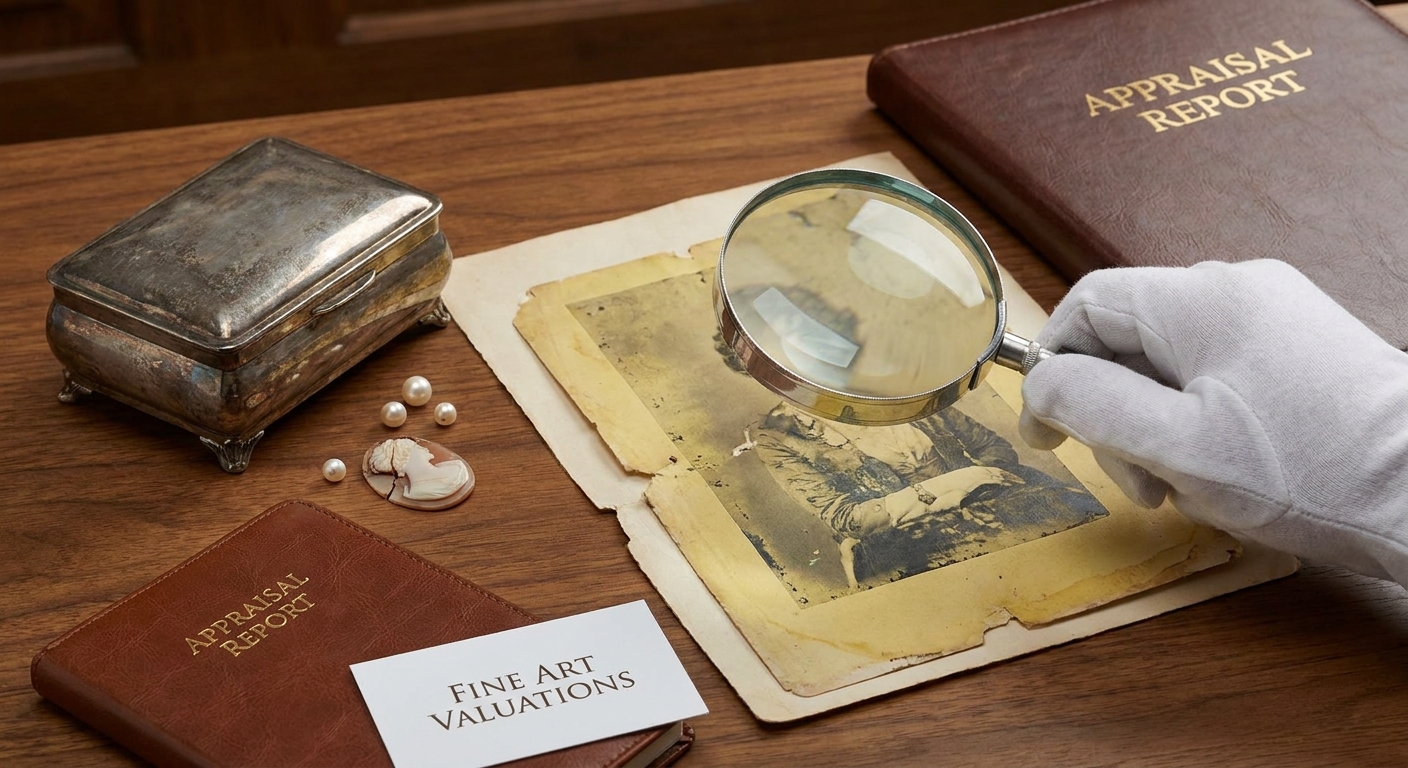
Imagine pulling out a cherished family heirloom, perhaps a vibrant watercolor or a delicate print, that's been hanging in the same spot for generations. You might notice a subtle yellowing around the edges, or perhaps a faint browning that wasn't there before. This isn't just the natural march of time; it's often the silent work of acid, slowly but surely taking its toll. This initial, often overlooked, damage can significantly impact both the aesthetic appeal and the financial value of your fine art.
The culprits are often right there in the frame, tucked away behind the glass. Many older frames, especially those from decades past, were constructed using materials that contain high levels of acid. Think about the cardboard backing, the wood pulp mats, and even certain types of paper used in the original framing process. Over the years, these acids don't stay put; they migrate. They seep from the acidic materials directly into the artwork itself, particularly affecting works on paper like prints, drawings, watercolors, and photographs.
What does this acid migration do? Well, it causes paper to become brittle, discolored, and weak. You'll see that tell-tale yellowing or browning, often referred to as "mat burn" or "acid burn," around the edges where the acidic mat or backing has been in direct contact with the art. Beyond just discoloration, acid can also weaken the very fibers of the paper, making the artwork fragile and prone to tearing or cracking. Sometimes, it can even cause inks and pigments to fade or change color, altering the artist's original intent and the artwork's overall appearance. It’s a real shame, y’all, to see a lovely piece diminished like that.
When I appraise a piece of art, its condition is paramount. Acidic damage is a significant condition issue that directly impacts an artwork's market appeal and, consequently, its valuation. A beautiful landscape etching, meant to have crisp white margins, loses much of its visual impact and perceived quality when those margins are stained with an uneven brown border. While some acid damage can be professionally conserved by a trained art conservator, such restoration is often costly and doesn't always fully reverse the effects. Furthermore, any restoration, no matter how expertly done, can be noted in an appraisal report. A piece with significant, irreversible acid damage will almost always appraise for less than a comparable piece in pristine condition, or even one that has only minor, stable imperfections. It's a fundamental principle of valuation: better condition usually means higher value.
So, what's the takeaway here? If you have framed art, especially works on paper, that's been in its original frame for many years, consider having it professionally examined and re-framed. A reputable framer can replace old, acidic materials with archival, acid-free mats, backing boards, and even specialized glass that blocks harmful UV rays. This simple, proactive step can prevent further damage, preserve your art's beauty, and help maintain its value for generations to come. Don't wait until the silent toll of acid becomes irreversible; protect your treasures now.