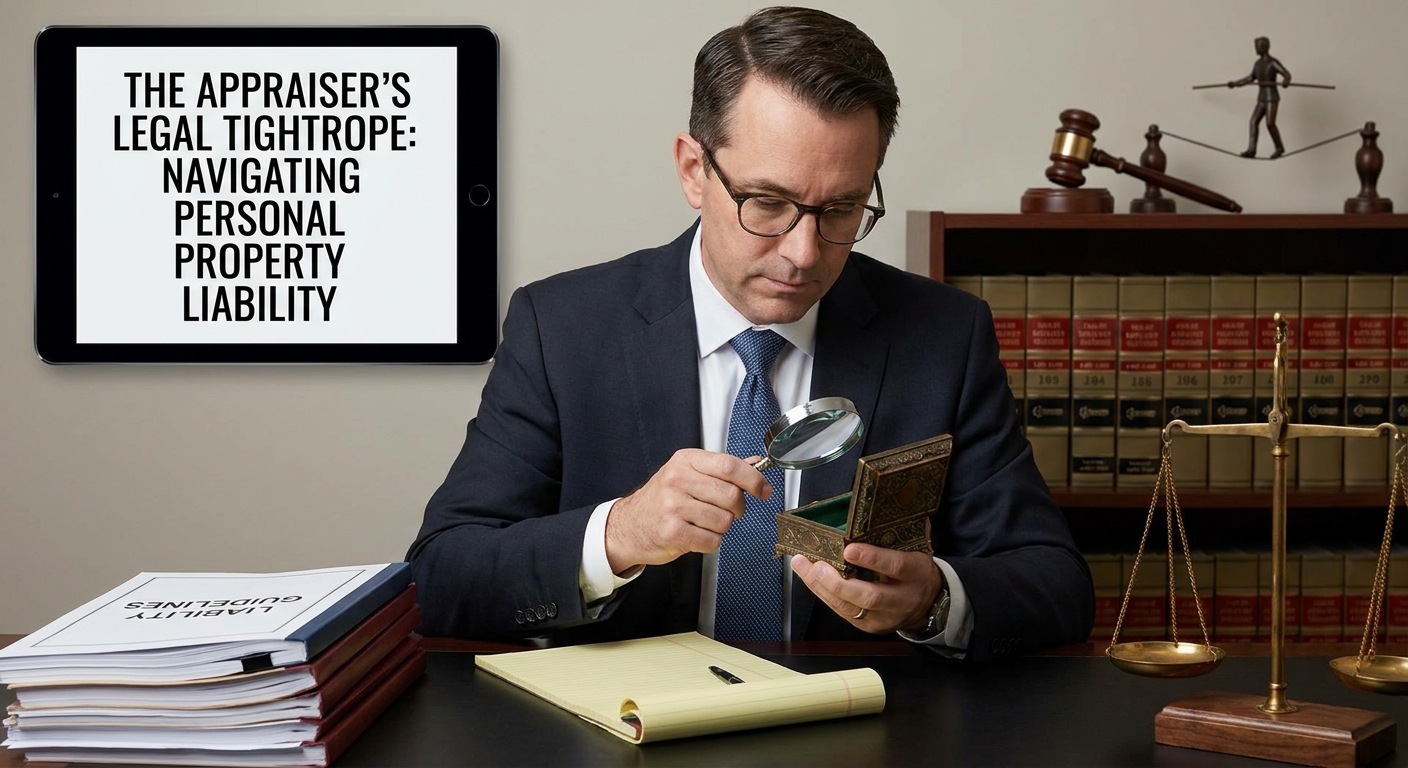
Deciding on the true worth of a treasured item, whether it's a sparkling heirloom passed down through generations or an entire estate needing careful division, is a serious matter. Folks often come to me seeking a clear, objective value, and rightly so. But what many don't realize is that for us appraisers, every valuation we provide isn't just a number on a page; it carries a significant weight of responsibility. It's a precise dance, a legal tightrope we walk every single day.
When you ask an appraiser to determine the value of a piece of antique jewelry or a cherished collection, you're not just getting an opinion. You're receiving a professional assessment that could impact insurance claims, estate distributions, tax implications, or even legal disputes. The stakes can be quite high, and that's why we take our role so seriously here.
One of the cornerstones of our profession, and a key element in navigating this tightrope, is adherence to the Uniform Standards of Professional Appraisal Practice, or USPAP. Think of USPAP as the comprehensive rulebook that guides appraisers across all disciplines. It dictates everything from how we define the scope of an assignment to how we analyze data and report our findings. Following USPAP isn't just good practice; it's a legal obligation that ensures consistency, credibility, and ethical conduct. For y'all as clients, knowing your appraiser is USPAP-compliant means you're getting a valuation that stands up to scrutiny, offering a vital layer of protection for everyone involved.
Another critical aspect of our liability, and yours, lies in the "Scope of Work." Before any appraisal begins, it's essential to clearly define what's being appraised, for what purpose, and what type of value is needed – whether that's Fair Market Value for estate purposes, or Replacement Value for insurance. We also need to identify any limitations, like if an item can't be removed from its display or if further scientific testing isn't included. A well-defined scope ensures that the report meets your specific needs and prevents misunderstandings down the line. It's all about setting clear expectations upfront, so there are no surprises later when the report is used.
Finally, our commitment to ongoing education and due diligence is paramount. As an appraiser, I spend countless hours researching market trends, studying historical context, and continuously refining my expertise – like my current enrollment in the GIA Graduate Gemologist program. Misidentifying a gemstone, overlooking a significant maker’s mark, or failing to properly research market comparables can have serious financial consequences. Our professional liability insurance helps, of course, but it’s our dedication to accuracy and thoroughness that truly protects both the appraiser and the client from potential pitfalls. We want to make sure every assessment we provide is as sound as can be.
So, when you’re considering an appraisal for your precious belongings, remember that you’re looking for more than just a price. You're seeking a professional who understands the profound responsibility of their role, adheres to rigorous standards, and possesses the expertise to stand by their valuation. Choose an appraiser who is certified, experienced, and transparent about their process – someone you can trust to navigate that legal tightrope with precision and care.