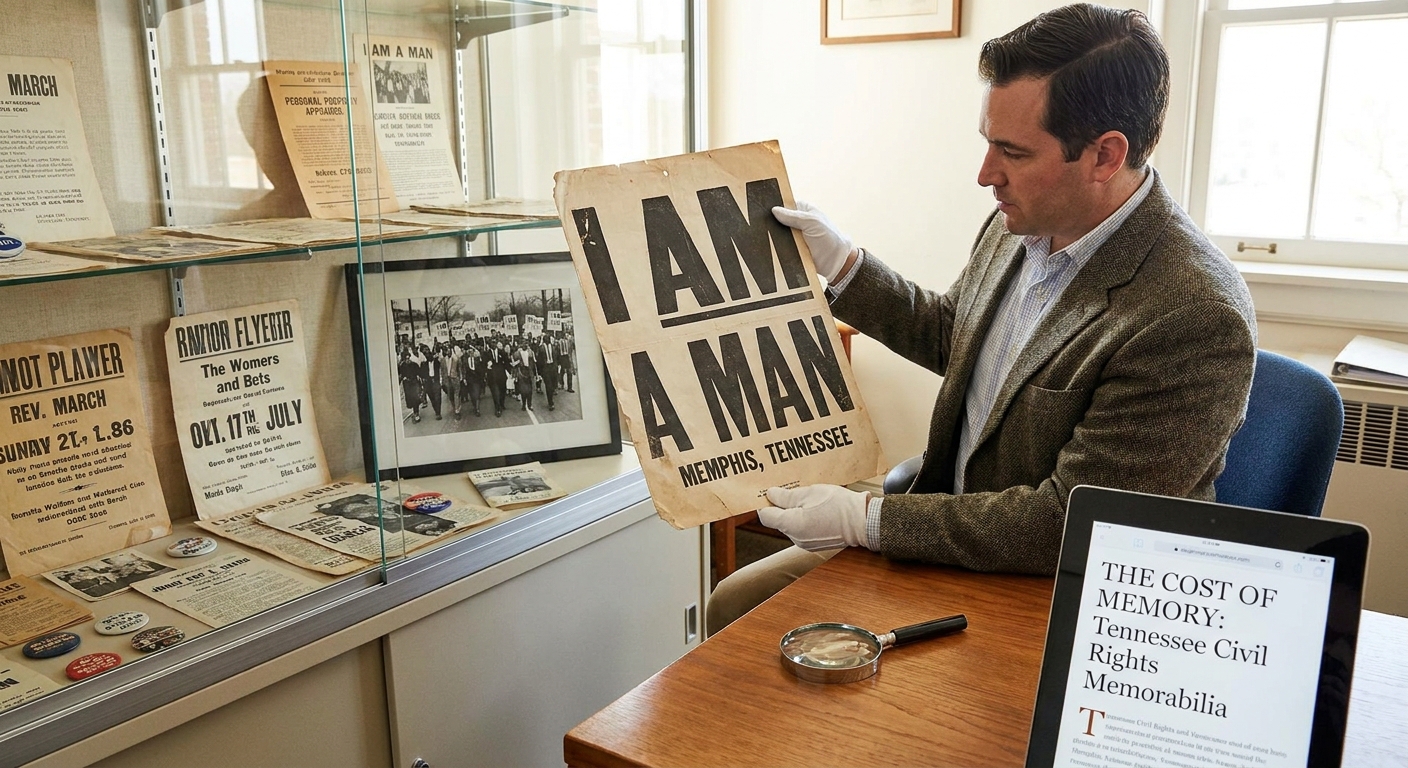
A client once brought in a dusty shoebox filled with what seemed, at first glance, like ordinary ephemera: faded photographs of people marching, a hand-stitched protest banner bearing a simple slogan, and a small, tarnished lapel pin. Her grandmother, a quiet woman from Nashville, had recently passed, and these items were found tucked away in an attic trunk. The family assumed they were just sentimental keepsakes, perhaps worth a few dollars at a yard sale. But as we carefully examined each piece, the true weight of their history began to unfold. The photographs captured scenes from the 1960 Nashville sit-ins, the banner was carried in a local demonstration, and the pin was a rare symbol of a specific, pivotal grassroots organization. This wasn't just old family memorabilia; it was a tangible link to Tennessee's profound role in the Civil Rights Movement, and its market value was far greater than anyone had imagined.
Understanding the "cost of memory" when it comes to Tennessee Civil Rights memorabilia is a nuanced process. Unlike a diamond, whose value is largely determined by objective criteria like carat, cut, color, and clarity, the market for historical artifacts is driven by a complex interplay of factors, often deeply rooted in narrative and provenance. My role, as an appraiser, is to bridge the gap between sentimental value and market reality, providing a clear, evidence-based valuation.
One critical strategy is meticulous provenance research. For these items, knowing who owned them, how they were used, and their direct connection to specific events or figures is paramount. A simple leaflet from a protest gains immense value if it can be traced to a known organizer or a specific, documented demonstration. We delve into historical archives, contemporary news reports, and oral histories to establish an item's journey. This isn't just about authenticity; it's about establishing the unique narrative that elevates an item from a relic to a significant historical document.
Another key aspect is contextual market analysis. The market for Civil Rights memorabilia is dynamic and highly specialized. We don't just compare a protest sign to another protest sign; we assess its relevance within the broader scope of the movement, the specific events it represents, and the current collector demand for such items. Rarity, condition, and the item's visual impact all play roles, but historical significance often trumps aesthetic appeal. A worn, faded photograph directly depicting a significant moment can be far more valuable than a pristine, generic one. This understanding relies on an awareness of past auction results, private sales, and the evolving interests of institutions and private collectors focused on this niche.
Finally, condition assessment is important, though often secondary to provenance and historical weight for these types of items. While a pristine condition is always preferred, a document with minor wear from being carried in a march or a photograph creased from being handled by participants may actually enhance its authenticity and value, telling a part of its story. Damage that obscures information or compromises the item's integrity, however, will always negatively impact value.
In practice, I recently appraised a collection of letters written by a prominent Nashville activist from the early 1960s. The family had kept them in a shoebox, unsure of their worth. Through careful research, we were able to cross-reference dates and events mentioned in the letters with historical records, confirming their authenticity and direct link to pivotal moments in the local movement. The intimate insights they offered into the struggles and triumphs of the era, combined with their rarity and direct provenance, placed their market value well into the five figures, far exceeding the family's initial expectations. This wasn't just a monetary valuation; it was a testament to their ancestor's courage and a tangible piece of shared heritage.
For anyone holding what they suspect might be a piece of Tennessee Civil Rights history, the actionable takeaway is clear: seek out a qualified personal property appraiser specializing in historical documents and memorabilia. An experienced professional understands the intricate research required and the specialized market where these items find their true "cost of memory." They can help you understand not only an item's financial value but also its profound historical importance, ensuring its legacy is properly recognized and preserved.