It’s a situation many of us have faced: you’ve just completed an extensive estate appraisal for a client navigating a complex divorce. The report details a significant collection of family jewelry, including a stunning Art Deco diamond bracelet. A few days later, you run into a mutual acquaintance at a local community event. "Oh, I heard you were appraising for [Client's Last Name]!" they exclaim, leaning in conspiratorially. "I bet you saw some incredible pieces. Was that famous sapphire necklace really as grand as they say?" This isn't just a nosy question; it's a direct challenge to the bedrock of our profession: confidentiality. How do you respond without betraying trust, yet remain polite and professional?
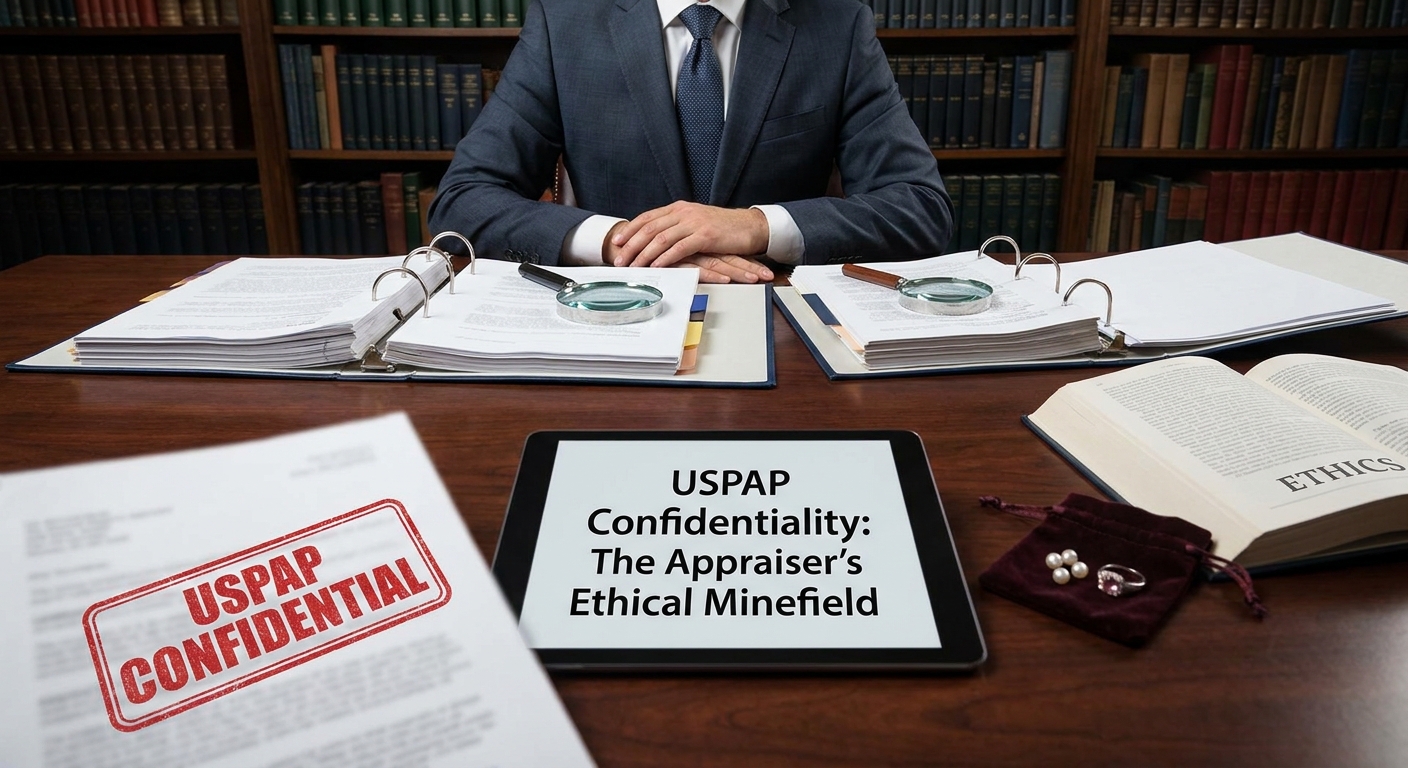
The Uniform Standards of Professional Appraisal Practice (USPAP) isn't just a set of guidelines; it's the ethical compass that steers every certified appraiser. And within its pages, the Confidentiality Rule stands as a formidable guardian of client trust, an ethical minefield that demands our unwavering vigilance. It’s not merely about keeping secrets; it’s about upholding the integrity of the appraisal process and protecting the client's interests and privacy. As personal property appraisers, especially when dealing with often highly personal and emotionally charged assets like jewelry, antiques, or collectibles, our adherence to this rule is paramount.
Navigating this minefield requires proactive strategies, not just reactive responses.
First, establish clear communication boundaries from the outset. During your initial consultation, explicitly discuss your commitment to confidentiality with the client. Explain that all information – the existence of the appraisal, its findings, and even the client's identity – is strictly confidential. This sets expectations and empowers you to politely deflect inquiries from unauthorized third parties. Develop a brief, standard phrase, such as, "My professional ethics and client privacy policies prevent me from discussing any client engagements with unauthorized individuals." This isn't evasive; it's professional.
Second, implement robust information security protocols. In our digital age, this means safeguarding electronic files with strong passwords and encryption, ensuring secure cloud storage, and using professional-grade antivirus software. For physical documents, secure them in locked cabinets or offices. The goal is to limit access strictly to those who need the information to complete the appraisal and only to the extent necessary. Remember, the Confidentiality Rule extends to all aspects of the appraisal assignment, from initial inquiry to final report and subsequent retention.
Third, always verify authorization in writing when sharing information. The USPAP Confidentiality Rule permits disclosure of confidential information to "parties authorized by the client." This is a critical distinction. "Authorized" doesn't mean a casual verbal request from a family member or friend. It means explicit, written consent from the client, specifying who can receive the information and what information can be shared. Whether it's an attorney, an insurance agent, or another financial advisor, demand written proof of their authorization before releasing any details. This protects both you and your client.
This adherence to strict confidentiality isn't merely good practice; it's central to the "trustworthiness" component that underpins all professional services. The USPAP Confidentiality Rule specifically states that an appraiser must not disclose confidential information or assignment results to anyone other than the client and persons specifically authorized by the client. It’s a core tenet ensuring that clients feel secure enough to disclose sensitive financial and personal details, knowing they will be protected. This trust is the bedrock of our professional relationships.
Just recently, I completed an appraisal for a unique collection of vintage timepieces. A week later, a local auction house, aware of my work in the area, called to "check in" and subtly probed about "any interesting collections" that might be coming to market. My immediate response was to politely reiterate my strict adherence to USPAP confidentiality, explaining that I am unable to discuss any client engagements or their property. The conversation ended quickly and professionally, maintaining my client's privacy and my ethical standing.
For anyone considering an appraisal, understanding this commitment to confidentiality is vital. When selecting an appraiser, always ask about their professional standards and how they safeguard your sensitive information. A certified appraiser who openly discusses their adherence to USPAP, particularly the Confidentiality Rule, demonstrates a commitment to ethical practice and your peace of mind. Your valuable possessions and personal details deserve nothing less than the highest level of professional discretion.