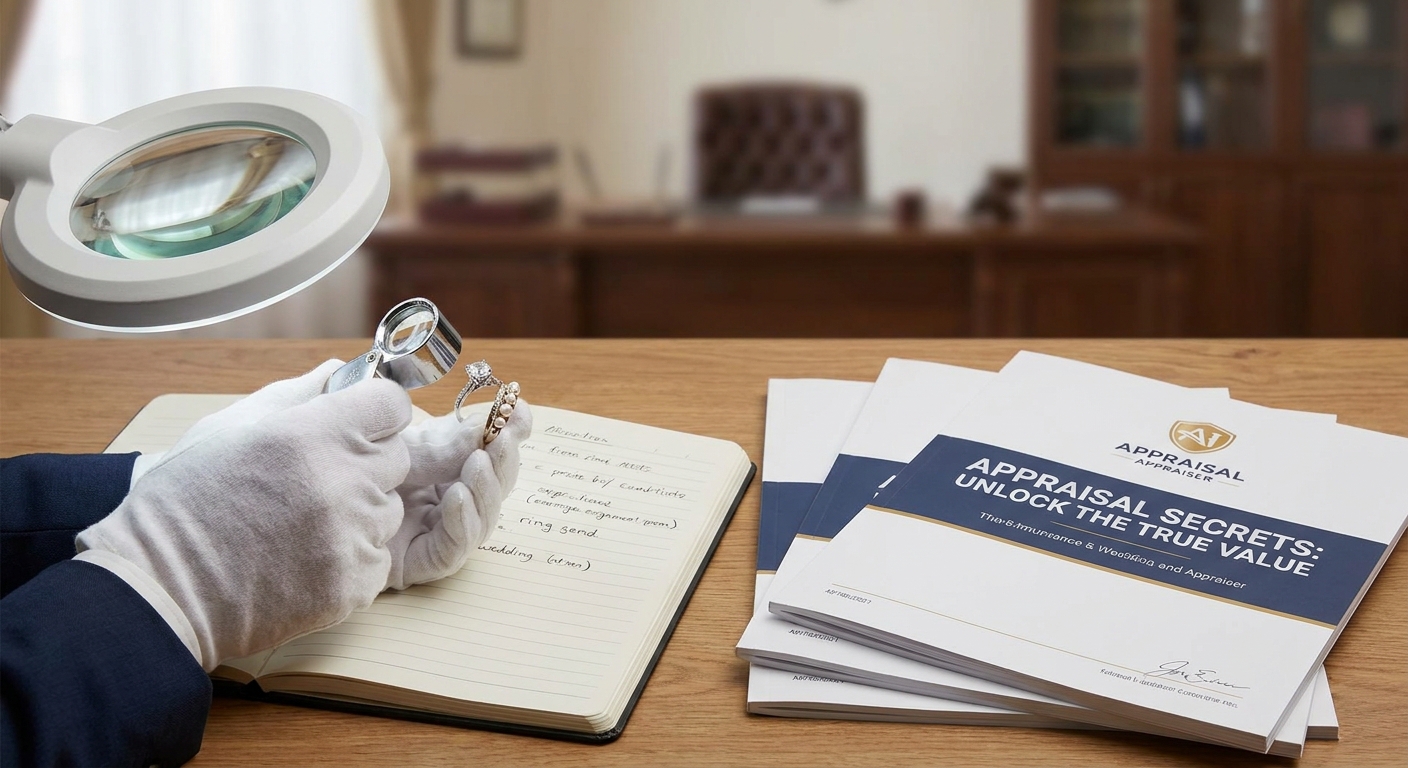
Picture this: a cherished engagement ring, a symbol of enduring love, perhaps an heirloom passed down through generations. You know it's precious, invaluable in sentiment. But do you truly know its financial worth? Many assume the price paid years ago, or a rough estimate from a jeweler, reflects its current value. I’ve seen clients, after a devastating loss or an unexpected need to sell, discover a wide discrepancy. Sometimes, the value far exceeds their expectations; other times, it falls short, leaving them vulnerable and unprepared. Unlocking the true value of these significant pieces is more than just getting a number; it’s about informed protection and peace of mind.
The first 'secret' to unlocking true value lies in diligent documentation. Think of it as building your ring's biography. Gather every piece of paper related to your ring: original sales receipts, previous appraisal reports, and especially any diamond grading certificates from reputable labs like GIA or AGS. These documents aren't just paper; they provide crucial, objective data on the 4 Cs (cut, color, clarity, carat weight) and the quality of the setting, which directly impacts its market appeal and value. Without them, an appraiser must rely on their own observations and testing, which can sometimes lead to broader value ranges.
Next, it's vital to understand that 'value' isn't a single, fixed number. There are different types of value, each serving a specific purpose. For insurance purposes, you'll typically need a 'Retail Replacement Value' – what it would cost to replace your ring with a new, comparable item in the current market. If you're considering selling, or for estate planning, 'Fair Market Value' is more appropriate; this reflects what a willing buyer and seller would agree upon, neither under compulsion, with reasonable knowledge of relevant facts. An experienced appraiser will discuss your specific needs to determine the correct premise of value for your report.
Finally, the appraiser you choose is paramount. While I've completed basic gemstone and diamond courses and have over a decade of experience in jewelry appraisal, I'm not a GIA-certified gemologist. My expertise lies in the appraisal methodology – understanding markets, valuation principles, and preparing defensible reports. Seek an appraiser who is an accredited member of a recognized professional appraisal organization and adheres to the Uniform Standards of Professional Appraisal Practice (USPAP). This commitment to ethical conduct and standardized methodology ensures your appraisal is credible and reliable, regardless of whether they have a specific gemological certification. They should be transparent about their credentials and process.
I recently worked with a client who had inherited her grandmother's engagement ring. She loved it but assumed it was simply a sentimental piece. She brought in a faded jeweler's slip from the 1950s. While not a formal appraisal, it hinted at a specific cut I recognized. Upon examination, we discovered it was an early Old European Cut diamond of exceptional clarity, set in a platinum mounting with delicate filigree work. The combination of historical significance, the specific cut, and the craftsmanship pushed its replacement value significantly higher than she ever imagined, allowing her to secure adequate insurance coverage.
Don't let the true value of your engagement and wedding rings remain a mystery. Proactive appraisal, guided by thorough documentation, an understanding of value types, and the expertise of a professional appraiser, ensures you are always informed and protected. It’s an investment in peace of mind and financial security, safeguarding not just a piece of jewelry, but a legacy.