Imagine a client, let's call her Sarah, sifting through her grandmother’s forgotten jewelry box. Among the costume pieces and tarnished silver, she pulls out a curious pendant. It's shaped like a stylized horn, intricately carved, perhaps with a small, dark stone set into it. For years, her family dismissed it as a quirky souvenir from an old trip, a piece of “Southern charm” with sentimental value but little else. Yet, Sarah felt a pull, noticing a tiny, almost imperceptible symbol etched on its reverse. This familiar scenario highlights how often unique regional artifacts, like the elusive "Southern Horn," can be overlooked, their true value hidden in plain sight, waiting for their marks to be deciphered.
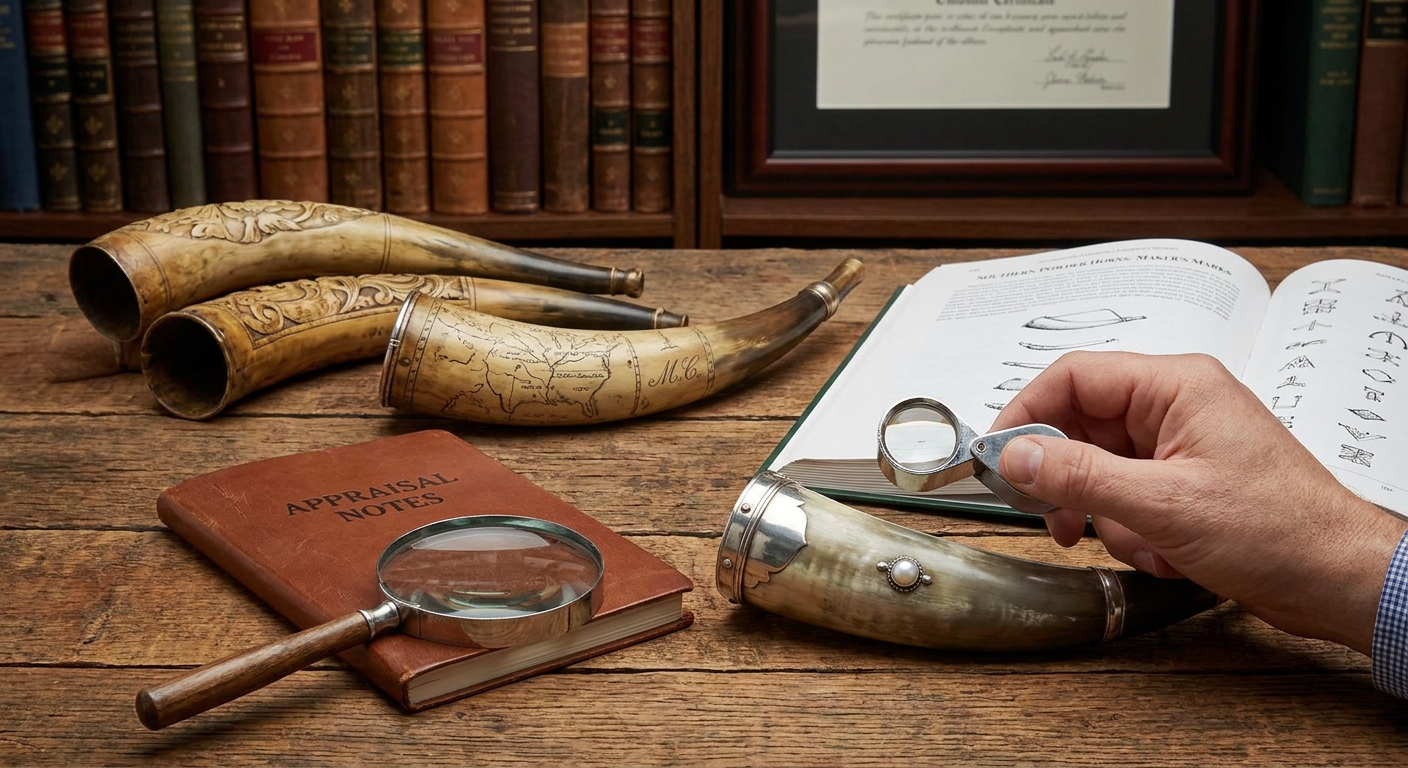
The first step in uncovering the story of any "Southern Horn" is meticulous examination under magnification. A 10x jeweler's loupe, combined with strong, focused lighting, is indispensable. What might appear as a scratch to the naked eye often reveals itself as a maker's mark, a purity stamp, or a regional hallmark. These marks are the item's fingerprint, offering crucial clues about its origin, age, and artisan. Don't be discouraged if the marks are faint or seemingly indecipherable; patience and the right tools are key.
Once a mark is identified, the real detective work begins. Unlike the standardized hallmarking systems found in Europe, early American, and particularly Southern, marks can be much more idiosyncratic. This requires delving into regional directories of silversmiths, jewelers, and craftspeople, consulting specialized reference books on Southern decorative arts, and even historical society archives. Many Southern artisans used personal monograms, unique symbols, or even a combination of letters and designs that are not always recorded in universal databases. Cross-referencing these unique identifiers with known makers from specific Southern states or cities can illuminate a piece's provenance and potential rarity.
Beyond the marks, understanding the materials is paramount. Is it genuine horn, or an early plastic imitation? Are the metal fittings sterling silver, or a base metal? While I’m not a GIA certified gemologist, my experience allows me to identify common precious metals and stones often found in these pieces, helping to establish a baseline for value before deeper gemological assessment if needed. The composition of the materials, combined with the quality of craftsmanship, speaks volumes about the original intent and value of the piece.
The concept of provenance is particularly powerful here. A clear, documented history of ownership, especially linking a piece to a known Southern family, a specific event, or a recognized artisan, can elevate its value exponentially. It moves a piece from being merely 'old' to being 'historically significant.' Without a strong provenance, the appraiser relies more heavily on the physical attributes and identified marks.
Just last month, a client brought in a beautifully aged brooch, shaped like a ram's horn, with what looked like a tiny bird etched on the clasp. After careful examination and cross-referencing with a database of early Charleston silversmiths, we identified the bird as the personal mark of a lesser-known but highly respected artisan from the mid-19th century. This specific mark, combined with the quality of the silver and the intricate carving, transformed it from an interesting curio into a verifiable piece of regional art, significantly increasing its appraised value for insurance purposes.
Many heirlooms hide untold stories and unrecognized value. If you possess a piece of "Southern Horn" or any similar regional artifact that carries an elusive mark or an intriguing history, don't let it sit in a drawer gathering dust. An experienced, certified appraiser understands the nuances of regional markets, historical context, and the subtle clues that distinguish a trinket from a treasure. We can help you identify its marks, understand its unique story, and unlock its true value, whether for insurance, estate planning, or simply personal knowledge.