Imagine a client, let's call her Sarah, inheriting a beautiful art deco diamond bracelet. She loved it, but had no idea of its true value. A well-meaning friend, who dabbled in estate sales, offered a quick, informal estimate—a figure Sarah then relied upon for months. When a small fire damaged part of her home, including the bracelet, her insurance company, quite rightly, requested a formal appraisal for the loss claim. That’s when the discrepancy hit: the actual appraised value, determined by a certified professional, was nearly double her friend’s casual estimate. Sarah faced an uphill battle with her insurer, not to mention significant emotional stress, all because she hadn't started with a proper, defensible valuation.
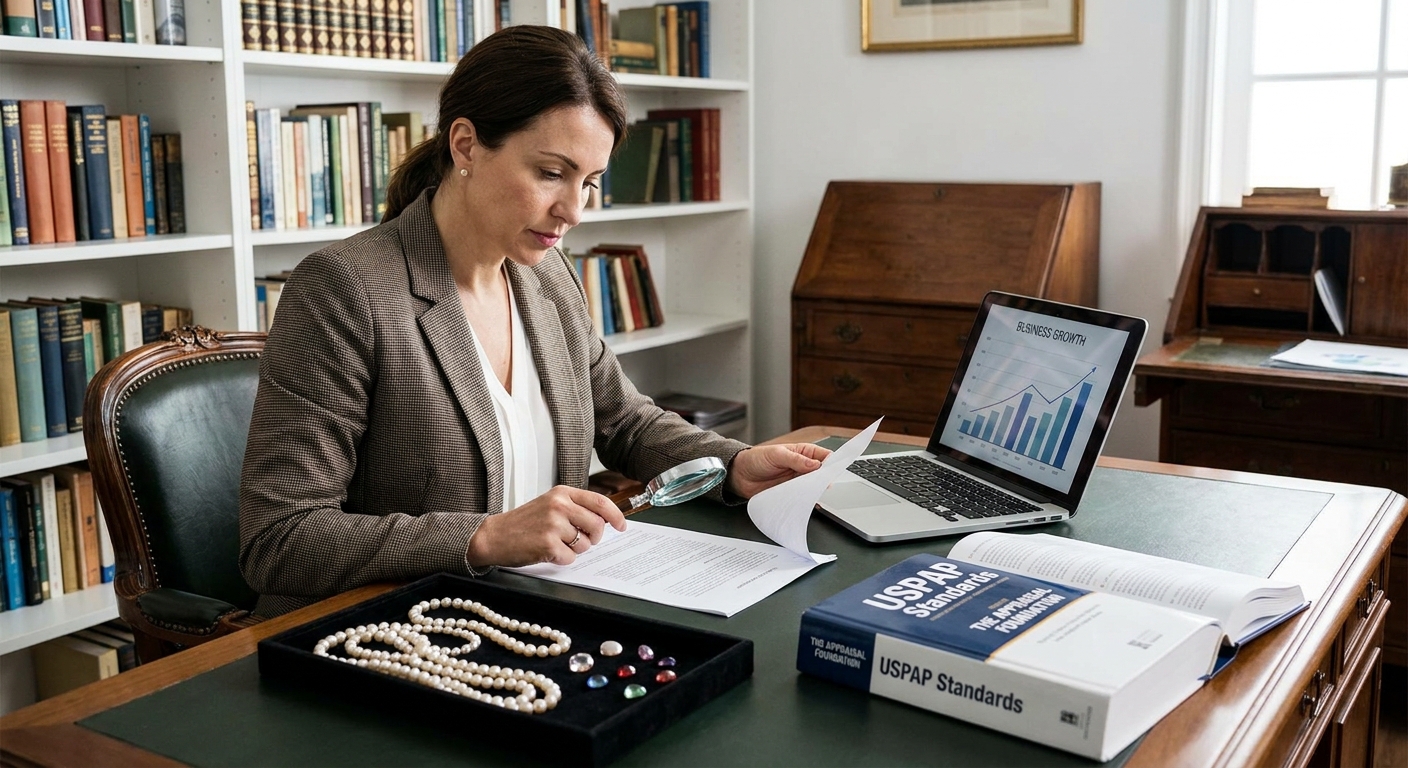
This scenario, unfortunately, isn't uncommon. It highlights the critical difference between a casual guess and a professional appraisal, and it’s precisely where The Appraisal Foundation (TAF) steps in, profoundly impacting how I conduct my business and how clients should perceive value. TAF is the congressionally authorized source of appraisal standards and qualifications in the United States. Its cornerstone is the Uniform Standards of Professional Appraisal Practice (USPAP), which serves as the bedrock of ethical and competent appraisal practice across all disciplines, including personal property like the antiques, jewelry, and collectibles I specialize in.
For me, embracing TAF's principles, specifically USPAP, isn't just about compliance; it's about building a robust, credible business. Here are a few ways it unlocks impact:
First, enhancing credibility and trust. Adhering to USPAP means I’m operating under a nationally recognized framework of ethical conduct and professional competence. When I explain to a client that their appraisal report will be USPAP compliant, it immediately signals a level of professionalism and rigor that sets my services apart. This isn't just about my experience with antique brooches or rare coins; it's about demonstrating that my valuation methodologies are sound, defensible, and meet the highest industry standards. Clients understand they're not just getting a number; they're getting a thoroughly researched and documented opinion of value, which is vital for insurance, estate planning, or equitable distribution.
Second, navigating complex valuations with clarity. Whether I'm appraising a single valuable diamond necklace or an entire collection of diverse collectibles, USPAP provides a clear roadmap. It mandates defining the scope of work upfront—identifying the purpose of the appraisal, the type of value needed (e.g., replacement value for insurance, fair market value for estate), and the effective date of the valuation. This structured approach ensures I gather all necessary data, select appropriate market comparisons, and apply the correct valuation approaches. For example, when valuing a rare piece of period jewelry, USPAP guides me to thoroughly research historical sales data, condition factors, and market trends, ensuring the final value is well-supported and transparent.
Third, mitigating risk and ensuring compliance. In an increasingly litigious world, the integrity of an appraisal can be challenged. USPAP provides detailed requirements for record-keeping, report content, and ethical conduct. By meticulously documenting my research, analysis, and conclusions, I create a defensible work product. This protects not only my business from potential disputes but also provides clients with a report that can withstand scrutiny from insurance companies, the IRS, or legal counsel. Just last month, I completed an appraisal for an estate where a dispute arose among heirs over the division of several unique inherited jewelry pieces. Because my appraisal report clearly outlined the methodology, market analysis, and the specific characteristics that supported each valuation, it helped resolve the disagreement efficiently and fairly, avoiding costly legal battles.
The Appraisal Foundation, through USPAP, provides the common language and gold standard for our profession. It’s not just a set of rules; it’s a commitment to excellence that benefits everyone involved.
When you find yourself needing an appraisal for your cherished possessions—be it for insurance, estate planning, or division—don't just ask about an appraiser's experience. Ask if they are USPAP compliant and if they are members of recognized professional appraisal organizations. These indicators signal a commitment to ethical practice and professional standards, ensuring your valuation is not just a number, but a credible, defensible, and reliable foundation for your important decisions.